
This article was written by our community partners Global Tea Hut – receive 15% off the first subscription with the code: teaspaces
Tea spaces hold a cherished place within tea culture, serving as sanctuaries where souls come together over a shared cup of tea. Within these tranquil havens, moments of introspection and serenity unfold, weaving a profound history that continues to shape our tea experiences today. Throughout the ages, these spaces have borne witness to the passage of time, evolving in form and essence, yet always retaining their essence as havens for contemplation, connection, and spiritual solace.
JAPANESE TEA SPACES

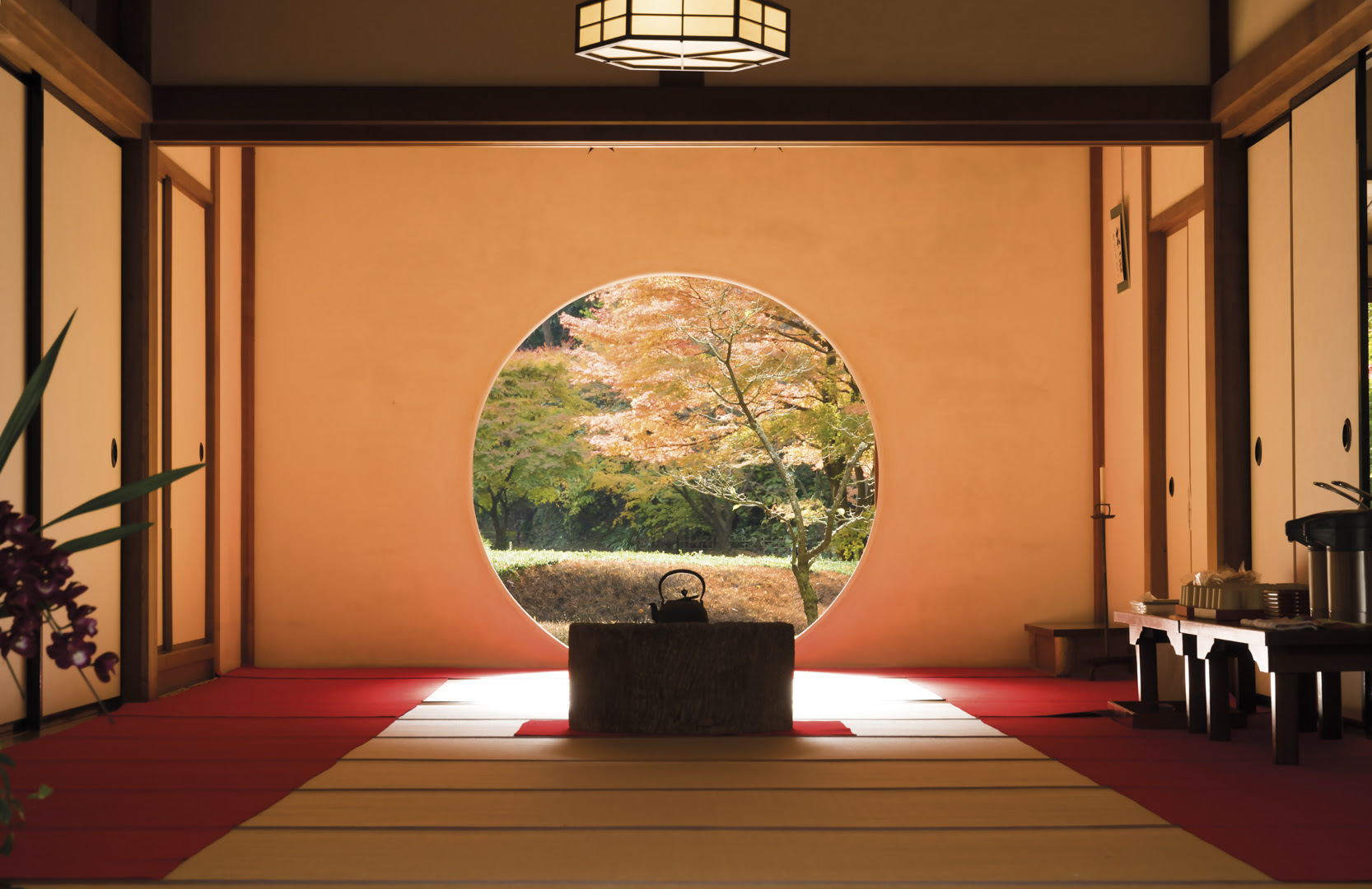
Japanese tea spaces, also known as “chashitsu” or “chashitsu-an,” embody simplicity, elegance, and Zen aesthetics. With tatami flooring, sliding doors (fusuma), and low tables (chabudai), these serene rooms create a peaceful atmosphere for tea gatherings. The “tokonoma” alcove serves as a focal point, displaying seasonal artwork or flower arrangements.
Ming Dynasty Tea Spaces
During the Ming Dynasty, tea spaces embodied refinement, artistry, and a deep connection to nature. Known as “chaliao,” these tea rooms showcased traditional Chinese calligraphy, paintings, and intricate wood carvings. These spaces also served as social and intellectual hubs, fostering discussions on art, literature, and philosophy. The harmony, beauty, and cultural refinement of Ming Dynasty tea spaces continue to shape tea culture to this day.

Taiwanese Tea Spaces

Taiwanese tea spaces blend traditional and modern elements, creating an inviting atmosphere that reflects the country’s rich tea culture. These spaces feature a harmonious combination of wooden furniture and contemporary design, striking a balance between heritage and innovation.


